UN Debates on Women’s Rights in 2026: Between Progress and Urgent Challenges
10 Apr 2026
By: Xiomara Nuñez de Céspedes
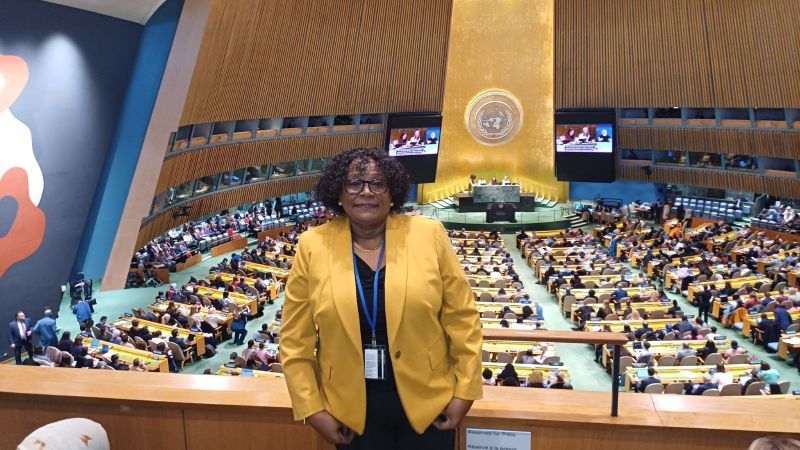
In 2026, our participation in the 70th Session of the Commission on the Status of Women (CSW) gave us the opportunity to witness the debates within the leading international intergovernmental body exclusively dedicated to the promotion of gender equality, women’s rights, and empowerment. Discussions within the United Nations have reaffirmed a compelling truth: women’s rights have advanced on paper, but still face deep gaps in practice. Under the global theme “Rights. Justice. Action”, the international community has focused not only on the recognition of rights, but also on their effective implementation.
One of the main arenas for discussion has been the Commission on the Status of Women, where leaders, governments, and organizations have agreed that access to justice is a fundamental pillar for ensuring gender equality. Although many countries have adopted laws to protect women, reality shows that these measures do not always translate into real protection. Impunity, lack of access to effective judicial systems, and cultural barriers continue to limit the full exercise of women’s rights. Being there and hearing testimonies from women from different countries facing similar challenges has strengthened our commitment as members of the cooperative movement.
This is where the cooperative model takes on transformative value. Cooperatives, built on equity, solidarity, and democratic participation, become real spaces of empowerment for women. They not only generate economic opportunities but also strengthen female leadership and promote more just and inclusive communities.
Violence against women remains one of the most urgent and widely debated issues. Globally, high rates of femicide, domestic violence, and sexual abuse persist. Most concerning is that although more than 90% of countries have legislation on this matter, its enforcement remains weak. This contrast has led to a strong call from the UN to strengthen institutional mechanisms and ensure that justice reaches all women, without exception.
Another key focus in the 2026 debates has been economic empowerment, particularly for rural women. Their essential role in food security and sustainable development has been recognized, while also highlighting the multiple barriers they face, such as limited access to land, credit, and technology. This approach reflects an important shift toward a more inclusive vision of development, where women are not only beneficiaries but also drivers of change.
Likewise, women’s political participation continues to be a global challenge. Although progress has been made in representation, there is still notable underrepresentation in decision-making spaces. This issue has gained further relevance in the context of discussions about the possibility of a woman holding the position of UN Secretary-General for the first time, which would mark a historic milestone in global governance.
In the case of the International Cooperative Alliance, its participation in these debates has helped highlight the role of the cooperative sector in promoting gender equality, as well as the challenges that still persist, particularly regarding violence and access to economic opportunities. The commitment must be clear: to move forward together, organized and with purpose, to close gaps and build a future with real equality.
In conclusion, the UN debates in 2026 make it clear that the current challenge is not only normative, but structural. It is about transforming systems, closing historical gaps, and ensuring that women’s rights are fully realized in everyday life. Gender equality is not just a goal, but an essential condition for sustainable development, social justice, and the construction of more equitable societies. The call is clear: move from commitment to action.